In the pursuit of understanding the secrets of longevity, few discoveries have captivated the imagination as profoundly as the enigmatic Blue Zones. These pockets of exceptional longevity, where individuals often surpass the age of 100 with remarkable vitality, have sparked curiosity and fascination among researchers and enthusiasts alike. Yet, the origins of the term “Blue Zones” and the insights they offer go beyond mere statistics; they dive into the worlds of anthropology, sociology, and the timeless wisdom of traditional cultures.
The Birth of Blue Zones
The term “Blue Zones” was not coined arbitrarily; rather, it emerged from the meticulous study and exploration of Dan Buettner, a prominent researcher and explorer. Buettner’s journey into the world of longevity began in the early 2000s when he teamed up with National Geographic and a team of demographers, epidemiologists, and other experts to identify regions where people live significantly longer and healthier lives than the global average.
The Role of Gianni Pes and Michel Poulain
Crucial to Buettner’s exploration were the works of Gianni Pes and Michel Poulain, two pioneering demographers whose studies laid the groundwork for the identification and analysis of longevity hotspots. Pes’s research, particularly his investigations into the high concentration of centenarians in the mountainous regions of Sardinia, Italy, provided valuable insights into the factors contributing to exceptional longevity. Meanwhile, Poulain’s collaboration with Pes and Buettner helped refine the methodology for identifying Blue Zones and shed light on the cultural and social dynamics at play in these regions.
While researching longevity in the Italian island of Sardinia, they used blue circles to highlight areas on a map with the highest concentrations of centenarians. This visual method of marking these longevity hotspots led to the term “Blue Zones,” which was later popularized by Dan Buettner in his studies of other regions with similar characteristics.
Blue zones: Insights from Sardinia
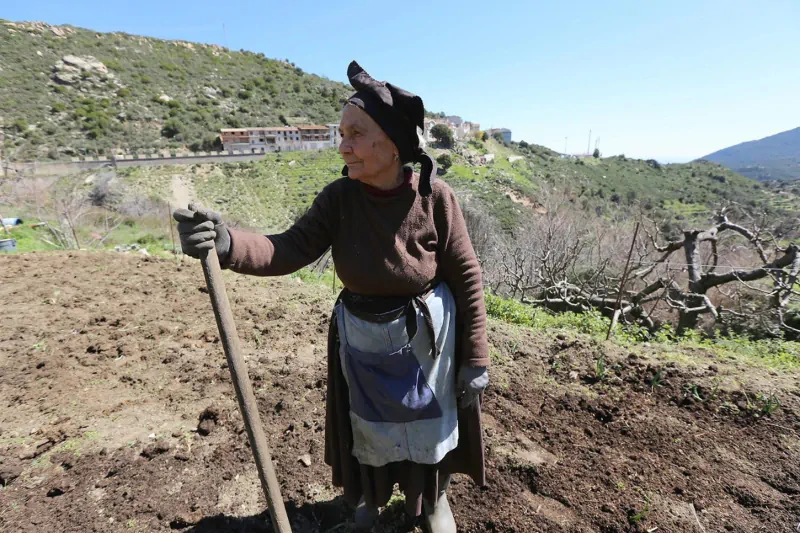
It was Pes and Poulain’s groundbreaking research in Sardinia that first drew Buettner’s attention to the concept of Blue Zones. In the rugged terrain of this Mediterranean island, Pes and Poulain discovered a remarkable prevalence of centenarians, particularly in the mountainous villages of Ogliastra. Buettner’s subsequent collaboration with Pes, Poulain, and other experts led to the identification of additional Blue Zones around the world, including Okinawa (Japan), Nicoya (Costa Rica), Icaria (Greece), and the Seventh-day Adventist community in Loma Linda, California (USA).
Common Threads and Cultural Insights
What sets Blue Zones apart is not merely their longevity statistics but the rich tapestry of cultural practices, traditions, and social structures that contribute to the well-being of their inhabitants. Whether it’s the emphasis on community and family ties in Sardinia, the concept of “moai” (supportive social groups) in Okinawa, or the strong sense of purpose and belonging in the Seventh-day Adventist community, each Blue Zone offers valuable lessons in the art of living well.
Beyond Statistics: Lessons for Longevity
The insights gleaned from Blue Zones offer valuable lessons for promoting health and longevity worldwide. By adopting some of the lifestyle practices and cultural norms observed in these regions, individuals can enhance their well-being and potentially add years to their lives.
Here are some practical steps inspired by Blue Zones:
Embrace a Plant-Based Diet: Incorporate more fruits, vegetables, whole grains, and legumes into your meals while reducing your intake of processed foods, red meat, and sugary treats. Aim for a diverse and colorful plate filled with nutrient-rich foods that nourish your body and support longevity.
Stay Active Throughout the Day: Find opportunities to move your body regularly, whether through walking, gardening, dancing, or engaging in recreational activities you enjoy. Avoid prolonged periods of sitting and prioritize physical activity as an integral part of your daily routine.
Cultivate Meaningful Relationships: Invest time and effort in nurturing strong social connections with family, friends, and community members. Foster a supportive network of relationships that offer companionship, empathy, and a sense of belonging.
Discover Your Purpose: Reflect on your values, interests, and passions to identify activities and pursuits that bring meaning and fulfillment to your life. Whether through work, volunteering, or creative expression, strive to align your daily activities with your sense of purpose and contribution to society.
Practice Moderation: Enjoy life’s pleasures in moderation, whether it’s indulging in a delicious meal, savoring a glass of wine, or treating yourself to occasional indulgences. Cultivate awareness and mindfulness around your consumption habits to maintain a balanced and healthy lifestyle.
Conclusion: A Journey of Discovery
As we reflect on the origins and insights of the Blue Zones phenomenon, we are reminded that the pursuit of longevity is not merely about adding years to our lives but about enriching those years with health, happiness, and purpose. In the footsteps of Dan Buettner, Gianni Pes, Michel Poulain, and countless other explorers and researchers, let us continue our journey of discovery, drawing inspiration from the timeless wisdom of Blue Zones as we navigate the intricacies of human existence.